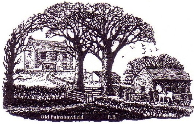

Our Origins
In the Victorian era, as Newcastle flourished with industry, it was difficult to acquire small areas of countryside in which to live and escape the pressures of urban life.
In response, a group of like-minded Newcastle businessmen formed the Northern Allotments Society, a co-operative created to purchase large estates and divide them among members at cost.
In April 1895, the farms of Painshawfield, Batt House and Birches Nook were offered for sale by auction. Although the lots were initially withdrawn, negotiations quickly followed. On 17 May 1895, the Society secured the purchase for £5,900, with possession agreed for May 1896.
Later that month, 53 individuals came together to acquire the 215-acre estate and shape it according to a shared vision. They named it The Painshawfield, Batt House and Birches Nook Estate, reflecting its agricultural origins.
A Shared Vision
From the outset, the founders recognised that reliance solely on local authority planning controls might, over time, erode the Estate’s distinctive character. To safeguard its future, they established two enduring principles:
- All land would be subject to a Deed of Mutual Covenants containing restrictive covenants.
- No building could take place without the consent of an elected Estate Committee made up of owners.
These principles were approved at the first General Meeting of Owners on 30 May 1895 and have guided the Estate ever since.
Protecting the Estate
A central purpose of the Deed is to preserve low housing density. Today there are 301 houses on the Estate – substantially fewer than the 870 that would be permitted under the policies of Northumberland County Council. This careful stewardship has maintained the spacious and tranquil environment envisioned by the original Covenantors.
Over more than a century, the Deed has been legally tested, upheld and strengthened. Through its democratic application by successive elected Committees, it continues to protect the character of the Estate for the benefit of those fortunate enough to live here.
Historical documents and photographs relating to the Estate’s development can be viewed in the Documents section of this website.